How can I find cleaner and driver jobs in Durban?
Find Durban cleaner and driver roles with clear pay ranges, licence requirements and practical checks for choosing suitable vacancies.

Cleaner vacancies in KwaZulu-Natal can advertise daily pay of R250 to R280. Durban job seekers can also find driving roles with far higher monthly earnings, especially when a Code 10 or Code 14 licence is required.
This guide compares cleaner, housekeeper, warehouse and driver work, then explains the documents, pay checks and warning signs that help match an application to the actual role.
Why Durban keeps hiring for cleaning and driving work
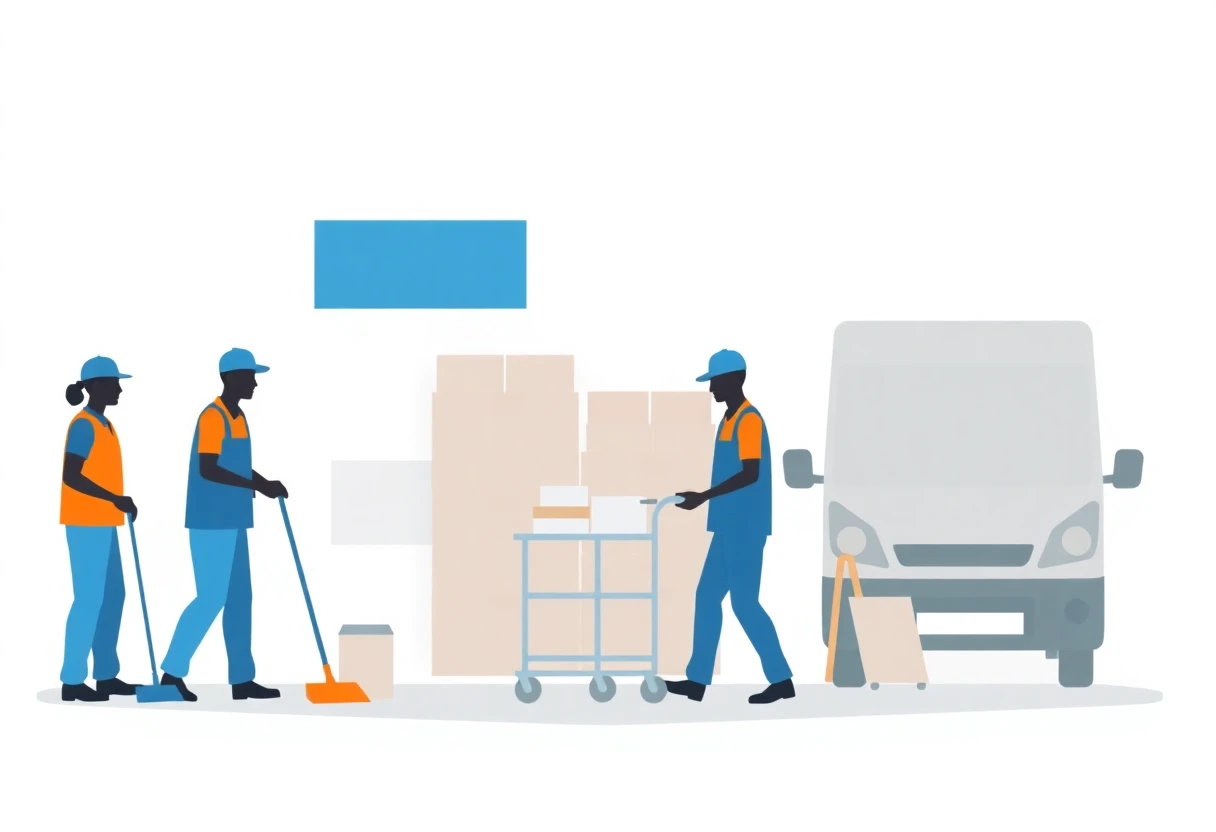
Retail shops, logistics operations, hotels and service providers run every day. Cleaners keep customer areas, offices and shared facilities usable. Drivers move stock, equipment and people between sites.
Employers commonly prioritise punctuality, careful work and dependable attendance. That makes these roles accessible to first-time applicants, career changers and people building a work history.
Warehouse and retail positions sit between the two categories. They may involve lifting, stock checks, loading or customer-facing duties, but they usually do not require a driving licence.
In KwaZulu-Natal, the association reports a contract-cleaning minimum rate of R30.86 per hour for cleaners and housekeepers, with a minimum paid day of six hours even when a shift is shorter. Ordinary hours are capped at 45 per week.
What to check before sending an application
Read the duties, location, shift pattern and contract type first. “Cleaner” can mean an office, hotel, hospital, school or mobile site role. “Driver” can mean local deliveries, passenger transport or heavy freight.
Check whether training is provided or previous experience is expected. Confirm the licence class, vehicle type, overtime terms and pay frequency. A higher headline salary may involve long routes, night work or weekend shifts.
Match the CV to the vacancy. Highlight attendance, safe equipment use, stock handling, customer contact or route experience only where those details are true.
Cleaner, warehouse and driver pay compared
Cleaner pay commonly sits around R4,000 to R6,000 per month in general listings. Housekeeper roles are often shown at R4,500 to R7,000. The KwaZulu-Natal contract-cleaning minimum of R30.86 per hour provides a useful floor for checking a qualifying offer.
Warehouse worker pay varies sharply by employer and experience. Reported Durban figures show a typical base range of R5,000 to R9,000 monthly, with median total pay around R12,000 per month, according to Glassdoor.
Driving has the widest spread. Code 10 roles are commonly listed around R10,000 to R15,000 monthly, while Code 14 work can reach R15,000 to R22,000. In road freight, the NBCRFLI wage information puts heavy-vehicle Grade 4 minimum pay at roughly R14,661 per month.
These figures describe different job types, so compare duties and hours alongside the amount. A cleaner paid by the day should be assessed against paid hours, while a driver’s package may depend on route allowances or overtime.
Accessible roles for first-time applicants
Cleaning, housekeeping, general warehouse work and some retail assistant roles often accept applicants without previous industry experience. Reliability, punctuality and willingness to learn can matter more than a long employment history.
Some employers train new starters on equipment, safety procedures and site routines. Driver roles are different: the correct licence is usually essential, while freight experience can determine access to better-paid routes.
Documents to prepare for applications
Keep an updated CV, identity document and accurate contact details ready. References from previous employers can help, but they are not available to every first-time applicant.
Driving applications normally require the relevant licence. A Professional Driving Permit may also be requested where the role involves regulated passenger or professional driving. Employers can ask for certificates or proof of qualifications during screening.
Do not hand over original documents or unnecessary financial information before the employer and vacancy have been confirmed.
How to spot a genuine vacancy
A credible advertisement explains the employer, duties, work location, minimum requirements and application process. Vague promises about unusually high pay are a reason to slow down.
Never pay to submit a CV, secure an interview or receive a job offer. Check the employer’s contact details and use its official careers page where available.
Red flags to watch for: upfront fees, requests for banking details at the first contact, pressure to act immediately and a vacancy with no clear duties or workplace.
Roles with the highest earning potential
Heavy-vehicle driving usually pays more than entry-level cleaning because it combines a specialised licence with safety responsibility, vehicle control and freight duties. Code 14 positions generally sit above Code 10 roles.
Experienced warehouse or retail supervisors can also earn more than entry-level staff because they coordinate people, stock and daily operations.
Cleaner and housekeeper roles start lower, but public-sector and larger-site positions may offer clearer conditions. A Durban government cleaner listing from mycareers.co.za (citing Department of Public Works) requires at least ABET Level 4, lists R144,024 per year—about R12,002 per month—and states that previous experience is not required.
How to improve the odds of a useful response
Apply soon after a suitable vacancy appears, because employers may review applications as they arrive. Use a short CV with a working phone number, current location and the exact licence or qualification requested.
State shift availability clearly. Cleaning, warehousing and logistics can include early starts, late finishes or weekends. A truthful note about transport and working hours prevents avoidable mismatches.
For local employment support, the Durban Labour Centre at 16 Beach Grove provides employment services, work-opportunity registration and advice on fair labour practices.
Compare the full offer, not just the salary
Check the number of paid hours, overtime rules, shift times and travel distance. A nearby role can be worth more than a higher-paying job that creates expensive or unsafe commuting.
Ask about permanent, temporary or part-time status, probation, training and promotion routes. For drivers, confirm the vehicle, route, loading duties and responsibility for damage or fuel.
For cleaning work, compare the paid minimum day with the actual shift. The KwaZulu-Natal rule requiring at least six paid hours for contract-cleaning workers matters when an advert describes a shorter working period.
Good information makes job searching faster
Pay ranges show which roles deserve attention before time is spent applying. Requirements show whether a vacancy matches the applicant’s documents, licence and experience.
Durban applicants can use local labour services for placement support and compliance questions. The KwaZulu-Natal Provincial Office of the Department of Employment and Labour is at 267 Anton Lembede (Smith) Street, Royal Building, 11th Floor, Durban, and supports labour centres including the Durban Labour Centre, according to the Unemployment Insurance Fund contact directory.
Keep a simple record of vacancies, promised pay, hours and contact details. It makes inconsistent adverts easier to identify and helps compare offers on equal terms.
Use trusted application channels
Start with official employer career pages, recognised recruitment platforms and local labour-centre services. These channels usually give clearer duties and application instructions than forwarded messages.
Check the vacancy details directly before sharing documents. A legitimate application should not require payment or a guarantee of employment.
Who should apply and who should skip
Apply if:
- You need an entry-level cleaning, housekeeping, warehouse or retail role and can demonstrate reliable attendance.
- You hold a Code 10 or Code 14 licence and want to compare local driving pay with route and freight responsibilities.
- You have ABET Level 4 and want a public-sector cleaner role that states no previous experience is required.
Skip if:
- The advert hides the employer, duties, location or pay structure.
- The recruiter requests money, banking details or original documents before a verified interview.
- The role requires a licence or shift pattern that does not match your documents or availability.
For most first-time Durban applicants, a clearly described cleaner or warehouse role is the sensible starting point; licensed drivers should target Code 10 or Code 14 vacancies for higher earning potential.
Match your skills to Durban cleaning and driving jobs